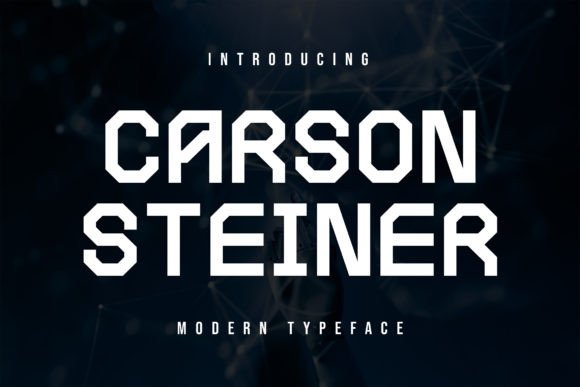
Carson Steiner: A Casual Display Font for Handmade Products and Craft Projects
If you have ever spent time searching for a font that feels both relaxed and polished, you know how hard it is to find that balance. Many display fonts lean too far into quirky territory, making them hard to read on a product label or a greeting card. Others are so stiff that they lose all the warmth that handmade sellers and crafters work so hard to build into their brand. Carson Steiner is a casual display font that sits right in that sweet spot. It has a laid-back charm and effortless style, but it also carries enough structure to keep your projects looking intentional and professional. As someone who creates printable products, labels, and small-batch merchandise, I have found that this font brings a friendly, approachable energy to almost anything I design.
What Makes Carson Steiner Stand Out for Crafters
Carson Steiner is not trying to be fancy or overcomplicated. Its playful letterforms have a hand-drawn quality that feels genuine, which is exactly what many of us want when we are making products for other people. Whether you sell on Etsy, at local markets, or through your own website, the visual personality of your packaging and signage matters. Customers notice when a design feels cohesive and thoughtful. This font gives you that easygoing, friendly demeanor without looking like you tried too hard. For a small shop owner, that is a powerful tool. It helps your products feel accessible and inviting, which can make a real difference in how customers perceive your brand.
Another thing I appreciate about Carson Steiner is its readability. Display fonts can sometimes be difficult to read, especially when they are used on smaller items like stickers or tags. But this font keeps its letterforms clear enough that you can use it for short phrases, names, and titles without losing legibility. That is a huge advantage when you are designing for very small spaces, such as candle labels, lip balm tubes, or tiny gift tags. The font still feels playful, but it does not sacrifice the practical side of being readable.
Practical Uses for Carson Steiner in Your Product Line
There are so many ways to put Carson Steiner to work in a real product lineup. For handmade sellers, this font works beautifully on product labels. Think of a small batch of artisan candles where the scent name is set in Carson Steiner, paired with a clean sans serif font for the ingredients or burn time. The display font draws the eye first, then the supporting text gives the customer the information they need. That kind of hierarchy is essential for packaging design, and Carson Steiner handles the starring role well.
Greeting cards are another natural fit. I have used this font for the main sentiment on birthday cards, thank you notes, and even sympathy cards where a warm, gentle tone is needed. The playful letterforms soften the message without making it feel childish. For wedding stationery, Carson Steiner can work on save-the-dates, welcome signs, or place cards, especially if the overall theme is laid-back or rustic. It pairs nicely with a simple serif font for the more formal details, giving the whole suite a cohesive but not overly matchy look.
Seasonal craft designs are also a strong area for this font. Holiday packaging, Halloween treat bags, Easter tags, and Christmas gift wrap all benefit from a display font that feels friendly and handmade. Carson Steiner gives you that versatility. You can use it for "Merry Christmas" or "Happy Halloween" and it will fit right in with the crafting aesthetic. For printable wall art, this font works well for short quotes or single words that you want to stand out. It also works nicely on digital products like planner pages, where a decorative title at the top of a weekly spread adds personality without overwhelming the functional layout.
Using Carson Steiner with Cutting Machines
For anyone who uses a Cricut or Silhouette, readability and cutability are real concerns. A font that looks great on screen might not transfer well to vinyl or cardstock. With Carson Steiner, I have found that the letterforms are clean enough to cut smoothly, even at smaller sizes. The playful shapes do not have overly thin parts that would tear or peel up during weeding. That is a practical consideration that matters when you are producing items in quantity, whether you are making custom tumblers, tote bags, or signs.
This font also works well for layered designs. You can use it for a main word on a layered vinyl project, then add a secondary font underneath for contrast. Because Carson Steiner has a casual, hand-drawn feel, it pairs naturally with a more structured sans serif font or a simple serif font. That contrast gives your designs depth and makes them look more intentional. I often pair it with a clean sans serif font like Montserrat or a subtle serif like Playfair Display for a more elegant look. The combination keeps the overall design feeling balanced and professional.
Font Pairing Ideas for Carson Steiner
When you are building a brand identity or a product line, font pairing is one of the most important decisions you will make. Carson Steiner is a display font, so it works best when it is used for headlines, names, titles, or short decorative wording. For the body text or supporting details, you want a font that will not compete with it. A clean sans serif font is a reliable choice. It provides a neutral backdrop that lets the display font shine without distraction. If you are going for a more traditional or rustic feel, a simple serif font can also work well. The key is to keep the secondary font simple and understated so that the playful personality of Carson Steiner stays the focus.
Another option is to pair Carson Steiner with a handwritten font that has a similar casual feel but is more legible at smaller sizes. This can create a cohesive look across your entire product line, especially if you are designing a full collection of items like stickers, tags, and labels. Just be careful not to use two display fonts together, as that can quickly become visually chaotic. Stick with one star and one supporting player, and your designs will feel much more polished.
What to Check in the Font Files
Before you start using Carson Steiner in your projects, it is worth checking what is included in the font package. Many display fonts come with alternates, ligatures, or swashes that can add even more personality to your designs. If those are available, they can help you create custom looks for different products without needing a separate font. For example, you might use a standard version of the font for a product label, then use a swash version for a special edition or a limited release. That kind of flexibility is valuable for maintaining brand consistency while still offering variety.
It is also important to check the file format. Most modern fonts come in OTF or TTF format, both of which work with major design software and cutting machine programs. If you are using an older machine or software, make sure the format is compatible. Multilingual support is another factor to consider if you sell to an international audience or use words in other languages on your products. Carson Steiner may include these features, so it is worth verifying before you commit to a design.
Commercial Licensing for Physical Products and Digital Downloads
One of the most important things for any handmade seller or product creator to understand is commercial font licensing. Using a font for personal projects is one thing, but when you are selling physical products, templates, printables, digital downloads, SVG designs, or merchandise, you need to make sure your license covers that use. Many fonts are sold with a standard desktop license that allows you to use the font for your own products, but the terms can vary. Some licenses restrict the number of products you can sell, or they may require an extended license for certain uses like selling digital files or templates.
When you purchase Carson Steiner, check the license agreement carefully. If you are making physical products like stickers, mugs, shirts, tote bags, or signs, you generally need a license that covers commercial use. For digital products like printable wall art, planner pages, or SVG designs, the license may need to be more specific. If you are a designer creating client work, you may also need a license that allows you to transfer the font to your clients. Being clear on these details up front will save you from legal headaches later and ensure that you are using the font ethically and legally.
How Carson Steiner Affects Product Presentation and Customer Perception
The font you choose communicates something about your brand before a customer even reads the words. Carson Steiner conveys a sense of warmth, approachability, and handmade care. That is exactly the feeling that many small shop owners want to project. When a customer sees a product label or a greeting card with this font, they are more likely to feel a personal connection to the item. That emotional appeal can translate into higher conversion rates, better reviews, and more repeat customers.
For product packaging, the font also affects perceived quality. A well-chosen display font makes the product feel curated and intentional. It tells the customer that you care about the details. That is especially important for handmade sellers who are competing with mass-produced items. Your packaging is often the first physical touchpoint a customer has with your brand, and Carson Steiner helps you make that first impression a positive one.
Brand consistency is another area where this font shines. If you use it across your product labels, signage, social media graphics, and even your website, customers will start to associate that friendly, casual style with your business. That recognition builds trust over time. It also makes your product line feel cohesive, even if you offer a wide range of items. A unified visual identity is one of the most effective ways to stand out in a crowded marketplace, and Carson Steiner can be a key part of that identity.
Whether you are just starting your handmade business or looking to refresh an existing product line, Carson Steiner offers a practical, attractive solution for a wide range of craft and product-based projects. Its playful letterforms, readable structure, and friendly personality make it a versatile choice for labels, stickers, cards, signs, packaging, and digital downloads. With careful pairing and attention to licensing, you can use this font to build a brand that feels genuine, approachable, and professionally crafted.